
gtm-guides

Your AI Sales Agent Shipped With a Data Source You Didn't Pick

Your AI sales agent came wired to a data source someone else picked, not you. Here's the one-week checklist to test it before it touches real prospects.

Vibe Prospecting team8 min readSeptember 16, 2026
Your AI Sales Agent Shipped With a Data Source You Didn't Pick

TL;DR

  • Your AI sales agent shipped with a data source someone else picked, tuned for the platform's average customer, not yours.
  • Five things to check before you trust it: swap rights, pricing model, coverage, refresh cadence, and match rate on your own accounts.
  • Run 20 to 50 accounts you already know through the bundled default and a second source side by side. Vibe Prospecting shows a preview and a cost estimate before any credit is spent.
  • Vibe Prospecting discloses 97.8%+ company match accuracy as the kind of documented baseline any vendor should be willing to share.
  • A shared credit pool beats per-seat pricing: spend flows to whatever the agent actually calls, typically 30 to 60% less than paying per seat.
  • It works from the Claude or ChatGPT window you already have open, on a free plan, no sales call required.

Install an AI sales agent skill from a marketplace, or flip on the one already sitting inside your CRM, and it shows up with a data source already wired in. Not by you. By whoever built the agent. That single choice decides whether the contacts it hands you are current or three months stale, long before you've sent a single message. Here's the one-week check to run on your AI sales agent's default data source before you let it near real prospects.

Who Actually Picked Your AI Agent's Data Source?

The company that built your AI sales agent picked its data source, and they picked it for their average customer, not for you. Whether it's a CRM's built-in agent, a copilot bundled into your outbound tool, or a skill you added to Claude or ChatGPT from a marketplace, the underlying data enrichment connection was a business decision made at launch, disclosed in a changelog, not negotiated with your team.

Why "Built In" Doesn't Mean "Checked for You"

  • A default connection feels vetted because it ships inside a trusted product, but nobody on your team has actually tested it against your own accounts.
  • The source was tuned for whoever the platform's biggest customer segment is, which may not look anything like your industry or your list.
  • Pricing and usage limits for that bundled connection were set at the platform level, before you ever opened a settings page.

What Changes Once You Can See Under the Hood

  • You can ask for match rate and freshness numbers before the agent enriches a single contact.
  • You can run 20 known accounts through it and see, in minutes, where it agrees with what you already know and where it doesn't.
  • Swapping the connection later becomes a settings change instead of a rebuild.
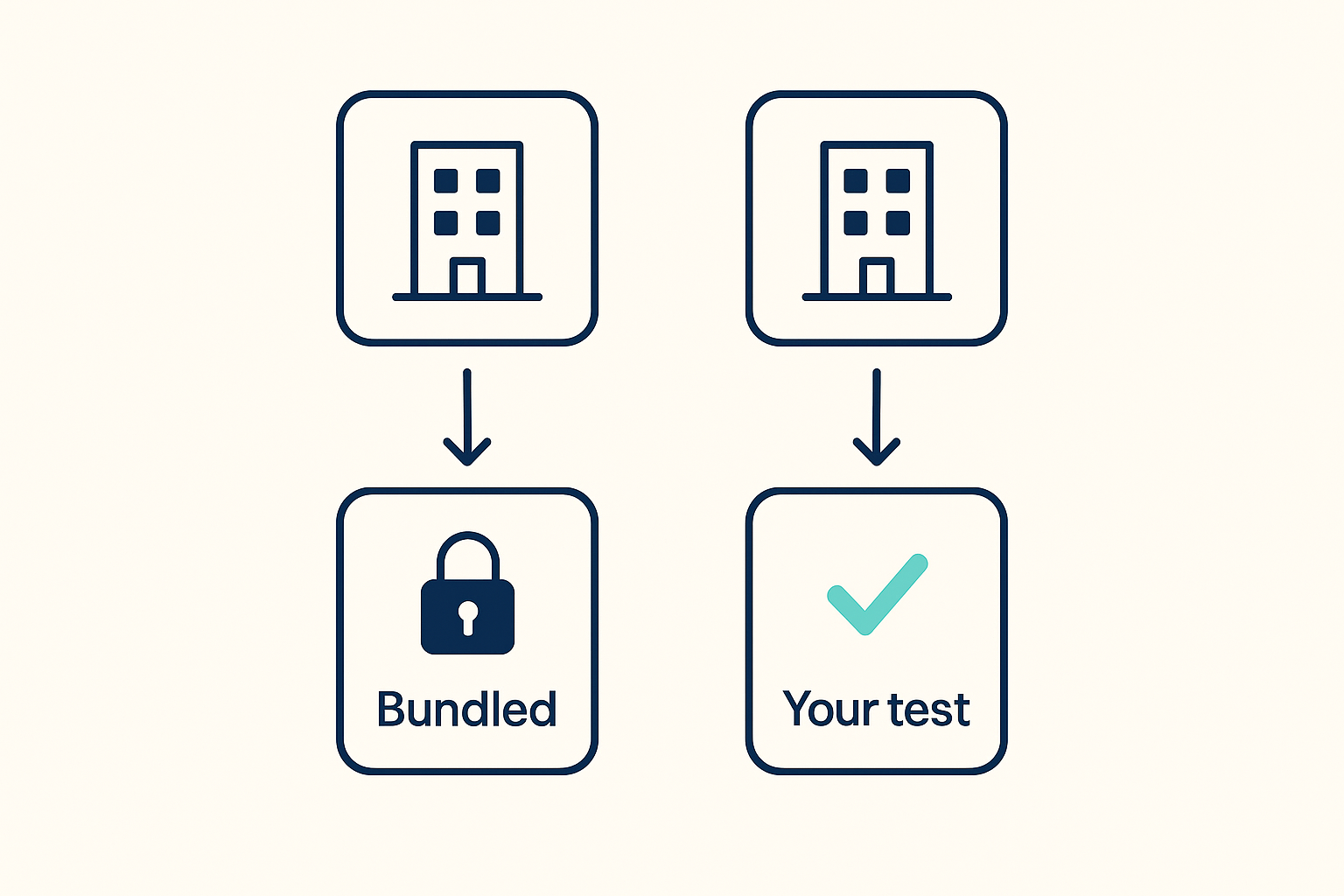
Two identical sets of company records run through a locked bundled default connection and an open connection you can check yourself

The Five Things Worth Checking Before You Trust It

Before an AI sales agent touches a real list, five questions separate a source you can rely on from one you're only hoping works. None of them require an engineering background, and all five fit into a single email to whoever sold you the agent.

The Checklist

Check thisAskWhy it matters
Swap rightsCan I point this agent at a different source without rebuilding it?Decides how stuck you are if the default underperforms
Pricing modelDo I pay per seat, per lookup, or from one shared pool?Per-seat and per-lookup plans usually mean paying for capacity you don't use
CoverageDoes this cover company details, contacts, and buying activity in one place?Gaps here mean a second tool later, at extra cost
Refresh cadenceHow old is a record the moment the agent actually reads it?A record can look "fresh" on a dashboard and be months old in practice
Match rateWhat's your accuracy on a 50-account sample from my own list?A published company-wide average hides how it performs on your specific mix

What Happens When Nobody Checks

  • Coverage gaps show up for the first time when the agent has already emailed or called the wrong person.
  • Your team stops trusting the tool after the first bad list, and adoption never fully recovers.
  • Cleaning up a burned segment of pipeline costs a lot more than the week this checklist takes.

How to Ask for Match Rate and Freshness, in Plain English

Ask for numbers measured against your own accounts, not the vendor's marketing page. A landing page reports an average across every customer they have. Your agent only ever touches your list.

The Three Questions to Send

  • Send over 50 named accounts and ask for a match-rate report before you sign anything.
  • Ask how many hours old the average record is at the moment your agent actually reads it, not when the database was last updated somewhere upstream.
  • Ask for that number in writing. Vibe Prospecting, for comparison, discloses 97.8%+ company match accuracy as the kind of documented baseline any vendor should be willing to share.

What a Vague Answer Really Means

  • "We update continuously" with no hour or day attached usually describes the database, not the specific record your agent is about to use.
  • A vendor who won't run a sample against your named accounts before you sign is telling you something about how confident they are in the real number.
  • Independent customer reviews are a useful sanity check on a vendor's own numbers before you rely on them.

Run Both Sources Against the Same 20 Accounts

Pull 20 to 50 accounts your team already knows cold, and run them through the bundled default and a second source side by side. Since you already know the right headcount, industry, and key contacts for these accounts, any mismatch jumps out immediately.

Setting Up the Side-by-Side Test

  • You can ask Vibe Prospecting, right in a Claude or ChatGPT chat, to look up the same 20 accounts and hand back a preview before anything is pulled in full.
  • Compare company details (headcount, industry, revenue range) against what's already sitting in your CRM.
  • Check contact-level accuracy on its own, separate from company-level accuracy. A bundled default that's fine on one is often shaky on the other.

Add Vibe Prospecting to Claude Code if your team already scripts parts of this workflow:
Claude Code
{
  "mcpServers": {
    "vibe-prospecting": {
      "command": "npx",
      "args": ["-y", "@explorium-ai/vibeprospecting-mcp"],
      "env": { "EXPLORIUM_API_KEY": "your_api_key_here" }
    }
  }
}

Reading the Preview Before Anything Gets Spent

  • A request like this returns a small preview and a cost estimate before a single credit is used, so a 20-account test costs you nothing to try.
  • Credits draw from one shared pool across every kind of lookup, which typically works out to 30 to 60% less spend than paying per seat or per category.

Can You Swap It, or Are You Locked In?

Ask the platform, in writing, whether the agent's data connection is fixed or configurable. Some agents let you add a second source. Others assume the bundled default for the life of the contract.

Questions That Surface Lock-In

  • Can we add a second source for anything the default doesn't cover, like recent buying signals?
  • If we cancel the bundled connection, does the agent stop working entirely, or keep going on whatever else is connected?
  • Does switching sources need a services engagement, or is it a setting we can flip ourselves?

Adding a Source Instead of Replacing One

  • Vibe Prospecting can sit alongside a native agent's existing connection, adding recent company activity and buying signals the default source may not cover at all.
  • A side-by-side comparison of B2B data providers makes coverage gaps visible before they show up in a missed deal.

What Changes the Day the Pilot Badge Comes Off

Ask what changes in the data terms between a pilot and full rollout, since pricing and refresh commitments can shift the moment a tool leaves pilot status. Most teams evaluating a new native agent have a real window here, not just a hypothetical one.

What Pilot Terms Often Hide

  • Pilot pricing is frequently promotional and doesn't reflect what a seat or a lookup costs once the tool is generally available.
  • Pilot coverage sometimes only spans a subset of regions or industries that widens later, without a renegotiated agreement.

What to Lock In Before Rollout

  • A written match-rate commitment for accounts like yours, not a blended company-wide average.
  • A refresh cadence stated in hours or days, not a vague word like "continuous."
  • An exit or add-a-source clause that doesn't require rebuilding the whole workflow.

One Shared Credit Pool Beats Paying by the Seat

Per-seat and per-category pricing, the norm for a bundled default, tends to overprovision because actual usage rarely matches the forecast. A single shared pool avoids that by letting spend flow to whatever the agent actually calls that week.

Two Pricing Models, Compared

DimensionPer-seat / per-category (typical bundled default)Shared credit pool (Vibe Prospecting)
Time to first lookupTied to the platform's own sales cycleMinutes, from a free plan, no sales call
Preview before spendRarely offered before you signA small sample and a cost estimate before any credit is used
Cost modelForecast per seat or category, usually over-boughtOne pool, typically 30 to 60% less spend
Scale per lookupChat-based tools often cap useful runs at 20 to 100 recordsUp to 1,000 records in one call
Coverage breadthOften one category, a second tool needed for the restCompany details, contacts, funding, workforce, and buying signals in one place

What to Get in Writing Before You Sign

  • An estimate of credit use against your own named accounts, not a generic per-seat average.
  • Confirmation that spend pools across every kind of lookup, so a heavy week for buying signals doesn't need a new line item.
  • A stated plan for what the credit terms look like once the pilot ends.

Vibe Prospecting: A Connection You Control, Instead of One You Inherited

Vibe Prospecting works from the Claude or ChatGPT window you already have open, covers company details, contact details, and buying activity from one connection, and starts on a free plan so you can run this whole test before any sales call.

Everything in One Chat Window

  • 150M+ company profiles and 800M+ people profiles, pulled from 50+ premium sources, without a second tool.
  • 18 categories of recent buying activity, so a pilot test isn't limited to a static list.
  • Company details, contact details, funding history, and workforce trends live in the same place.

Built for a Real Test, Not a Toy List

  • Up to 1,000 records in a single call, which is what a side-by-side test needs to actually mean something.
  • Most chat tools load every record into the conversation itself, which caps a useful pilot at 20 to 100 prospects before it bogs down.

Priced So You Can Check It Yourself

  • A free account, no sales call, minutes to your first lookup.
  • One shared credit pool across every feature, which usually cuts spend 30 to 60% versus paying per seat.
  • Every export shows a small preview and a cost estimate first, so nothing gets charged by surprise.

Add it from the Claude or ChatGPT connectors directory for the fastest start, or use the Claude Code plugin shown above if your team already scripts parts of this workflow.

Your One-Week Checklist

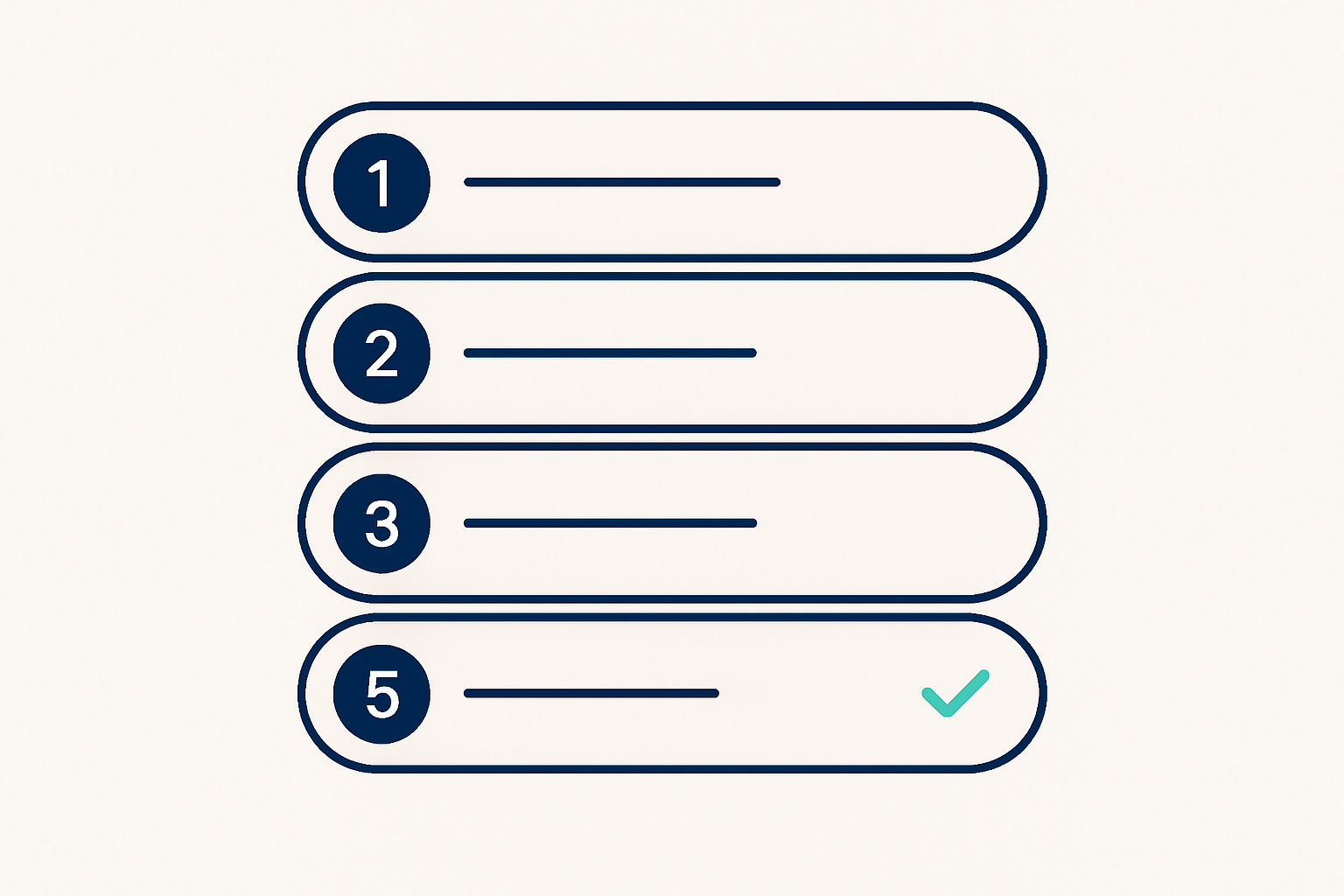
Five steps, one week, before your AI sales agent's default data source goes anywhere near a real list.

  • Day 1: Create a free Vibe Prospecting account, no sales call required.
  • Day 2: Pull 20 to 50 named accounts you already know well.
  • Day 3: Run those accounts through both the bundled default and Vibe Prospecting, side by side.
  • Day 4: Compare match rate, freshness, and coverage, field by field.
  • Day 5: Get swap-or-supplement rights confirmed by the platform vendor, in writing.
A five-step, one-week checklist for testing an AI sales agent's default data source before trusting it with real prospect data

The Bottom Line

A default data source gives you one vendor's coverage, picked for someone else's average customer, priced by the platform that bundled it in. Vibe Prospecting gives you a connection you actually control: one chat window, 150M+ companies and 800M+ people in one place, and a free plan built for exactly this kind of test. Run it before the sales agent's pilot goes wide, not after.

Test your AI sales agent's data source before it touches real prospects. Try Vibe Prospecting free →
FAQs

Frequently Asked Questions

Get Started Banner

Get Started for free

Sign Up
Check Your AI Sales Agent's Default Data Source First