

A LinkedIn post making the rounds this quarter put a sharp number on something a lot of RevOps teams already suspected: 87% of AI pilot failures come down to a shaky data foundation, not a weak model. Separately, independent research lands in the same neighborhood, 85-95% of failed AI pilots, with data readiness as the dominant cause. If your AI SDR tool promised a pipeline lift and gave you a pile of bounced emails and outdated titles instead, the fix usually isn't a new vendor. It's a 10-minute check on the data the agent was working from.
This guide walks through what that check looks like, why it matters more for an autonomous agent than it ever did for a human rep, and how to run it in chat before you greenlight (or re-greenlight) your next pilot.
Your AI SDR Pilot Isn't Underperforming. Your Data Is.
An AI SDR pilot can only work with the records it's handed, so when a pilot misses its pipeline target, the honest first question is whether the contact and company data behind it was ever checked, not whether the agent is smart enough. A practitioner thread on r/sales (score 82, 69 comments) described the tools as "wildly over promised" and little more than "feature dumps" once speed-to-lead and real pipeline numbers were measured against the pitch.
Why the Model Gets Blamed First
- A vendor demo almost always runs on a curated sample, so your own CRM export is the first honest stress test the tool has ever faced.
- An agent executes on whatever it's given. It has no way to know a contact changed jobs eight months ago unless the record says so.
- Without a documented baseline before launch, there's no way to separate "the model underperformed" from "the data was never ready."
What Changes Once You Reframe It
- A short data check becomes a gate before launch, not a postmortem after the pilot already failed.
- RevOps can point to a number (how much of the list is covered, how stale it is, how many duplicates) instead of arguing about vague "AI quality."
- The spend conversation moves from "which tool next" to "is this list actually ready."
What People Mean by a "Shaky Data Foundation"
A shaky data foundation is a contact and company list where enough records are missing, stale, or duplicated that an agent working from it sends outreach to the wrong person, at the wrong company, with the wrong context. A human SDR would notice a title that looks off and skip the send. Most autonomous agents don't pause unless the data layer tells them to, which is exactly why this problem got louder the moment teams moved from human-reviewed sequences to fully automated ones.
A Five-Minute Walkthrough: Spotting Bad Data Before the Agent Does
Picture a 600-contact outbound list pulled from a CRM export for a Q1 pilot. On paper it looks fine, every row has a name and a company. Pull a 40-record sample and look closer: 11 titles reference a role the person left over a year ago, 6 records are the same person under two slightly different email domains, and roughly a third of the companies are missing basic details like industry or headcount. None of that shows up until someone actually samples the list, which is the entire point of running the check before the pilot starts instead of reading the results afterward.
Four Numbers That Tell You If a List Is Pilot-Ready
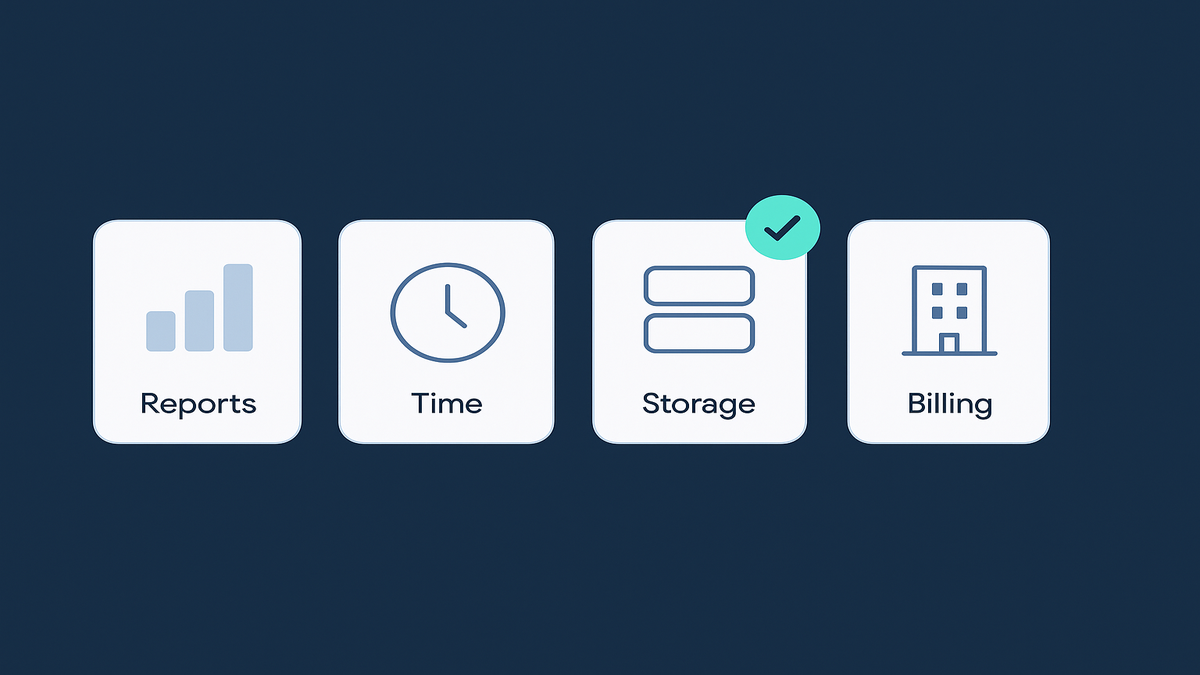
A list is ready for an AI pilot once you can state four numbers for the exact accounts the pilot will touch: how much of the list has any usable record at all, how recent the contact and company details are, what percentage of records are duplicates, and how complete the basic company details are (industry, size, that kind of thing). If any one of those four is a guess, the list isn't ready yet.
The Four Fields, in Plain Terms
- Coverage: what share of your target accounts have a usable record at all.
- Freshness: how old the job title, employer, and contact details are.
- Duplicates: how many records represent the same person or company more than once.
- Company details: whether basics like industry and headcount are filled in, not blank.
The Minimum Bar Before You Greenlight
- 80%+ coverage on the specific accounts in the pilot, not your whole CRM.
- Contact and company details refreshed in the last 30-90 days depending on how fast that segment moves.
- A documented duplicate check with a known rate under 5%.
Run This Check Before You Greenlight (or Re-Greenlight) the Pilot
The check itself is four steps: pull a sample, score it against the four numbers above, fix or drop whatever fails, then launch only once the remaining list clears the bar. It takes longer to describe than to run.
- Sample: pull a representative slice of the pilot's actual account list, never the whole CRM.
- Score: check the sample against coverage, freshness, duplicates, and company-detail completeness, and write down the real percentages.
- Fix: enrich, dedupe, or drop whatever falls short before the list is finalized.
- Launch: only once the cleaned-up list clears the minimum bar above.
Where Teams Usually Skip a Step
- Scoring the entire CRM instead of just the pilot's target accounts.
- Skipping straight to launch before the fix step actually finishes.
Why the Bill Keeps Climbing While Results Don't
Costs climb faster than results because most in-chat enrichment tools load every record straight into the conversation's own context, which caps a useful run at somewhere between 20 and 100 prospects before token usage spikes, forcing you to split one list into a dozen smaller passes. That's the mechanism behind the token-cost complaints showing up in the same practitioner threads calling out failed pilots.
Two Ways to Process the Same List
| Dimension | Server-side bulk processing | In-chat, record-by-record |
|---|---|---|
| Sustained throughput | 100 requests per second | Limited by the chat window, not the infrastructure |
| Cost pattern | Flat per request, regardless of list size | Scales with every record loaded into the conversation |
| Practical list size | Up to 1,000 records per request | 20-100 prospects before it overflows |
| Where the work happens | On the data provider's servers | Inside the chat's own context |
Why This Shows Up as a Cost Problem Before It's an AI Problem
- A 2,500-account pilot run through an in-chat tool means a dozen or more separate passes, most of the token spend going toward records the agent throws out anyway.
- A server-side tool processes the same list in a handful of calls, cost tied to requests, not token count.
- A single shared credit pool, instead of credits split across separate endpoints, removes the guesswork of forecasting spend ahead of time.
Ask Claude or ChatGPT to Run the Check For You
You don't need a spreadsheet macro or a data engineer to run the four-number check above. If Vibe Prospecting is connected in Claude or ChatGPT, you can hand it a sample of your pilot list and ask it directly.